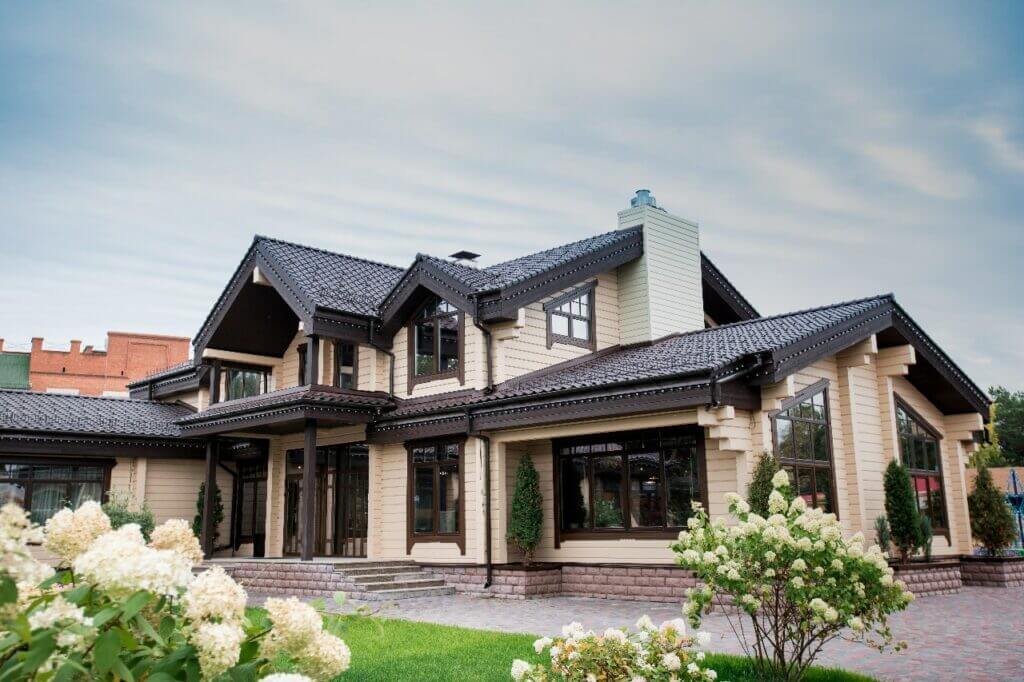
A commercial roof protects far more than a building. It protects inventory, equipment, employees, tenants, customers, and the daily operations that keep your business moving.
In Georgia, commercial roofs face intense sun, heavy rain, humidity, high winds, and occasional hail. Those conditions can accelerate wear on membranes, flashing, seams, sealants, and drainage systems. Without a proactive maintenance plan, a small issue can quickly become interior water damage, business disruption, or an unexpected capital expense.
The good news is that many commercial roof problems are preventable. By avoiding the seven maintenance mistakes below, property owners in Marietta, Dallas, Acworth, Kennesaw, Cobb County, Paulding County, and surrounding Georgia communities can extend roof life and protect their investment.
1. Neglecting Regular Commercial Roof Inspections
The mistake: Waiting until a leak appears before calling a roofing professional.
A roof can have serious damage before water reaches the ceiling. Cracked sealants, loose flashing, membrane wear, punctures, and deteriorated seams may remain hidden for months. By the time a visible stain appears inside the building, moisture may have already affected insulation, decking, drywall, or electrical components.
How to fix it
Schedule professional commercial roof inspections at least twice a year. Spring inspections can identify damage from winter weather, while fall inspections help prepare the roof for heavy rain and seasonal storms. You should also arrange an inspection after significant hail or wind events.
A thorough inspection should evaluate:
- Roofing membrane or surface materials
- Seams, fasteners, and flashing
- Roof edges and penetrations
- HVAC curbs, vents, and pipes
- Drains, scuppers, gutters, and downspouts
- Signs of moisture intrusion or ponding water
New Image Roofs provides commercial roofing services designed around long-term performance, not pressure to buy work you do not need.
2. Ignoring Small Leaks and Interior Warning Signs
The mistake: Treating a small ceiling stain, damp spot, or occasional drip as a minor inconvenience.
Small leaks rarely stay small. Water can travel along decking, insulation, and structural components before appearing far from the original entry point. A leak that seems limited to one office may eventually damage ceilings, walls, flooring, inventory, or customer-facing areas.
Georgia’s storms can also turn a minor flashing or seam problem into an active leak in a single afternoon.
How to fix it
Train employees and facility staff to report warning signs immediately, including:
- Ceiling stains or discoloration
- Peeling paint or bubbling drywall
- Musty odors
- Damp insulation
- Drips near lights or HVAC equipment
- Water appearing after rain
Do not cover the stain and wait for the next budget cycle. Contact a qualified roofing professional for a prompt evaluation. Professional roof repair services can address the source of the problem and help prevent more extensive damage.
3. Skipping Drainage and Gutter Maintenance

The mistake: Allowing leaves, dirt, branches, and storm debris to accumulate in gutters, drains, and scuppers.
A commercial roof can only shed water effectively when its drainage system remains clear. Blocked gutters and drains force water to back up against roofing materials, flashing, walls, and foundations. In Georgia, tree cover and frequent summer storms make drainage maintenance especially important.
How to fix it
Inspect and clean gutters, downspouts, drains, and scuppers on a regular schedule. Many properties benefit from quarterly maintenance, with additional checks after major storms.
Your maintenance plan should include:
- Removing leaves and debris
- Checking drain strainers and scuppers
- Flushing downspouts and drain lines
- Inspecting gutter seams and attachment points
- Confirming that discharge flows away from the building
- Looking for corrosion, sagging, or separation
A properly maintained gutter system helps direct water away from walls, foundations, walkways, and landscaping. New Image Roofs also offers gutter installation for properties that need a more reliable water-management solution.
4. Deferring Repairs to Save Money
The mistake: Delaying a repair because the current issue seems manageable or because the expense was not included in this year’s budget.
Deferring maintenance often increases the eventual cost. A loose piece of flashing may allow water behind the roofing system. A small membrane puncture may expand with foot traffic and weather exposure. A damaged drain may contribute to recurring ponding and structural stress.
Postponing the work does not eliminate the expense. It can add interior repairs, emergency service, damaged contents, and business interruption to the final bill.
How to fix it
Ask your roofing contractor to classify findings by urgency:
- Immediate repairs that could cause active damage
- Near-term maintenance that should be completed soon
- Monitoring items that can be tracked during future inspections
- Long-term planning needs such as restoration or replacement
This approach gives you a practical way to prioritize spending without replacing a roof unnecessarily. At New Image Roofs, honest inspections and clear recommendations come first. If a targeted repair can extend the roof’s useful life, we will explain that option instead of automatically recommending a full replacement.
5. Failing to Document Maintenance for Warranties
The mistake: Keeping no organized record of inspections, repairs, materials, invoices, or storm-related damage.
Documentation matters when you need to verify warranty compliance, submit an insurance claim, sell a property, or plan future capital improvements. Without records, it becomes difficult to prove that recommended maintenance was completed or determine when recurring problems began.
How to fix it
Create a digital or physical roof file containing:
- Original installation information
- Roofing system and material details
- Manufacturer and workmanship warranties
- Inspection reports
- Dated photographs
- Repair proposals and invoices
- Maintenance schedules
- Records of severe weather events
- Notes about recurring problem areas
Ask your contractor for photo documentation after each inspection or repair. Clear records help everyone make better decisions and provide useful evidence if a warranty or insurance question arises.
When selecting materials or a contractor, review manufacturer requirements carefully. Owens Corning explains its Preferred Contractor network and the standards associated with participating professionals.
6. Ignoring Ponding Water on Flat Roofs

The mistake: Assuming standing water on a flat or low-slope roof is normal.
Flat roofs are designed with drainage systems and subtle slopes that move water toward drains or scuppers. After rainfall, water should not remain on the roof for extended periods. Recurring ponding may indicate blocked drainage, damaged insulation, uneven decking, membrane deterioration, or inadequate slope.
Standing water adds weight to the roofing system and can accelerate membrane breakdown. It may also contribute to leaks, mold, insulation damage, and structural concerns.
How to fix it
Document where and how long water remains after rainfall. Then have a qualified commercial roofing professional evaluate the cause. Clearing a blocked drain may solve the problem, but recurring ponding may require a more comprehensive solution, such as tapered insulation, localized repairs, or roof restoration.
Do not attempt to remove standing water by cutting the membrane or making unauthorized modifications. Those actions can create new leak points and may affect warranty coverage.
7. Hiring Unqualified Contractors
The mistake: Choosing a contractor based only on the lowest price or hiring a general handyman for a specialized commercial roofing problem.
Commercial roofing systems require knowledge of materials, drainage, flashing, safety procedures, manufacturer specifications, and building conditions. An inexperienced contractor may use incompatible materials, overlook hidden moisture, damage the membrane, or complete a repair that fails after the next storm.
How to fix it
Before hiring a contractor, verify:
- Commercial roofing experience
- Insurance and workers’ compensation coverage
- References from comparable properties
- Familiarity with your roofing system
- Manufacturer training or certifications
- Written scope of work
- Warranty terms
- Safety procedures and cleanup expectations
Ask who will perform the work and whether the contractor has experience with TPO, EPDM, modified bitumen, metal, or other systems used on your property.
New Image Roofs is locally owned and operated, serves commercial properties throughout Cobb and Paulding Counties, and has earned the trust of Georgia property owners through more than 600 five-star reviews. Our team brings premium materials, expert craftsmanship, and straightforward communication to every project.
A Proactive Plan Protects Your Business
Commercial roof maintenance is not simply another line item. It is a strategy for protecting your building, controlling long-term costs, and reducing avoidable disruption.
A practical plan includes:
- Professional inspections in spring and fall
- Post-storm evaluations when needed
- Routine gutter and drainage maintenance
- Prompt attention to leaks and visible damage
- Organized warranty and repair records
- Regular checks for ponding water
- Qualified contractors using approved materials
Whether your property is in Marietta, Dallas, Acworth, Kennesaw, or elsewhere in Georgia, the right maintenance partner can give you confidence in the condition of your roof.
Frequently Asked Questions
How often should a commercial roof in Georgia be inspected?
At least twice a year is a strong starting point. Schedule additional inspections after significant hail, high winds, or severe thunderstorms.
Can maintenance prevent a commercial roof replacement?
Maintenance cannot stop normal aging, but it can extend roof life and delay replacement by identifying and correcting problems early. A professional evaluation can help determine whether repair, restoration, or replacement is the most practical option.
Is ponding water always an emergency?
Not every instance requires emergency service, but recurring ponding should never be ignored. It can indicate drainage or structural problems that worsen over time.
How quickly should a commercial roof leak be repaired?
As soon as possible. Even a slow leak can damage insulation, decking, interior finishes, equipment, or inventory. If water is near electrical fixtures, take appropriate safety precautions and request professional service immediately.
How do I find reliable roofing companies in Cobb County, GA?
Look for a company with commercial experience, strong reviews, appropriate insurance, clear written proposals, and a proven commitment to honest recommendations. You can contact New Image Roofs to request an inspection and discuss your property’s needs.
A strong commercial roof starts with a clear plan. Contact New Image Roofs for professional guidance, a straightforward inspection, and practical recommendations that help protect your Georgia business.