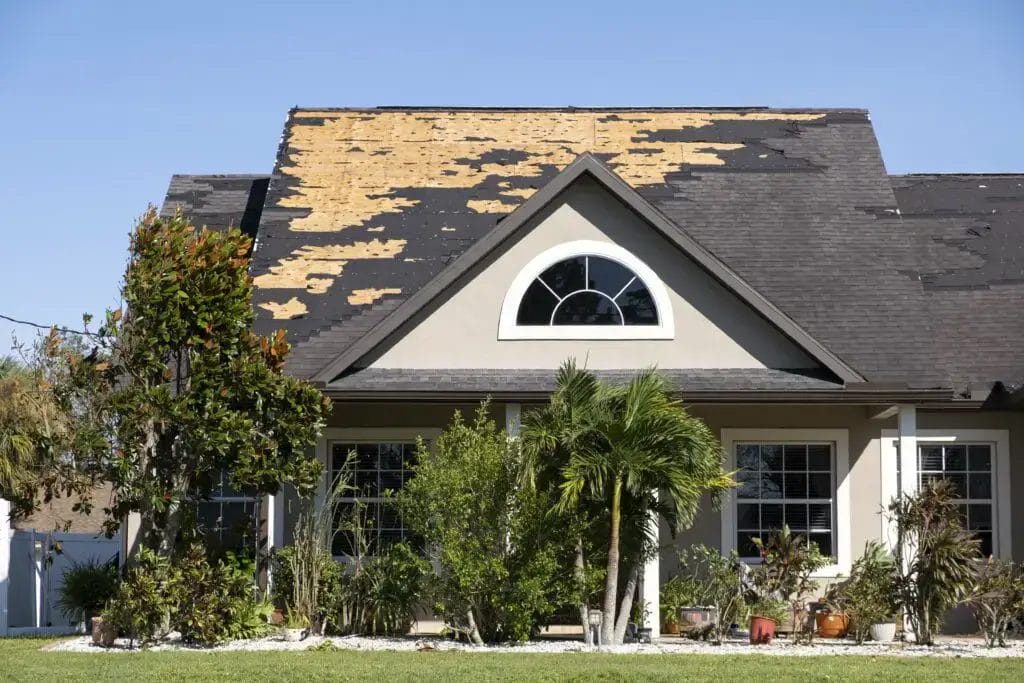
A roof rarely fails all at once. More often, small problems (loose flashing, clogged gutters, trapped attic heat, or a few lifted shingles) quietly become leaks, rot, and expensive repairs.
Georgia roofs face a demanding combination of heat, humidity, pollen, pine debris, thunderstorms, hail, red clay runoff, and freeze-thaw swings in January. A repeatable roof maintenance plan helps you catch problems while they are still manageable.
Use this 12-month calendar for homes in Marietta, Dallas, Acworth, Kennesaw, Cobb County, Paulding County, and nearby communities.
The three highest-leverage maintenance items
Before the calendar, focus on three systems that protect your roof more than almost anything else:
- Attic ventilation: Balanced soffit intake and ridge or roof exhaust vents help release heat and moisture. Poor ventilation can accelerate shingle aging and contribute to condensation or decking rot.
- Flashing: Chimneys, valleys, skylights, walls, and plumbing penetrations are common leak points. Cracked sealant or damaged metal deserves prompt attention.
- Gutters and downspouts: Clear drainage keeps water away from the roof edge, fascia, soffits, foundation, and siding.
The University of Georgia’s home maintenance guidance also emphasizes routine inspections and seasonal upkeep. The goal is not to climb onto your roof every month. It is to stay observant and address small issues before they spread.
Late winter and early spring: February–March
Inspect after the freeze-thaw cycle.
North Georgia may not experience long periods of snow, but January and February can bring repeated freezing and thawing. That movement can stress older shingles, flashing, pipe boots, and chimney seals.
In February:
- Look from the ground for lifted, cracked, or missing shingles.
- Use binoculars to inspect roof edges, valleys, and areas beneath overhanging pine trees.
- Check flashing around chimneys, vents, skylights, and sidewalls.
- Look for cracked or separated sealant.
- Clear winter debris from gutters and roof valleys.
In March, complete a post-winter inspection before spring storms become more frequent. Check the attic after heavy rain for damp insulation, dark decking, musty odors, or daylight where it should not be visible.
Spring: April–May
Control moisture before pollen becomes grime.
Georgia pollen is more than a cosmetic nuisance. Pollen mixes with rain and settles into roof valleys, gutters, and shaded areas. That damp layer can hold moisture, encourage algae growth, and keep shingles from drying properly.
During April and May:
- Check valleys and roof sections beneath pine trees for accumulated debris.
- Clean gutters and confirm that downspouts discharge water away from the home.
- Look for red clay staining around gutters and lower roof edges.
- Inspect soffits and fascia for peeling paint, swelling, or soft areas.
- Check the attic after the first major spring thunderstorms.
- Confirm that soffit vents are not blocked by insulation or debris.
Schedule a professional spring inspection if your roof is older, has experienced a leak, or sustained storm damage. A good inspection should explain what needs attention without automatically recommending replacement. At New Image Roofs, honest inspections and no-pressure guidance are central to the process.

Summer: June–August
Manage heat, UV exposure, and storm readiness.
Summer is the most stressful season for many Georgia roofs. Dark shingles absorb intense afternoon heat, while humidity slows drying. In a poorly ventilated attic, temperatures can rise significantly above the outdoor temperature.
In June:
- Look for missing shingles after thunderstorms.
- Check gutters after heavy rainfall.
- Inspect exposed metal for hail dents or storm damage.
- Confirm that attic intake and exhaust vents remain unobstructed.
In July:
- Look for blistering, curling, cracking, or excessive granule loss.
- Use an attic flashlight to inspect the underside of the roof deck.
- Watch for warped wood, damp insulation, or signs of condensation.
- Trim branches that scrape the roof or drop heavy pine straw.
In August:
- Clear valleys and gutters before periods of intense rainfall.
- Inspect flashing around chimneys, vents, and skylights.
- Perform another ground-level inspection after hail or severe wind.
Roof repairs are often safest and most comfortable in the early morning during summer. Afternoon heat can make roof surfaces dangerously hot and can create difficult working conditions. When you need repairs, early-morning scheduling helps the crew work more safely and efficiently.
For homeowners looking for roof repair Kennesaw GA, professional evaluation is especially important after hail or wind events. Damage is not always visible from the driveway.
Fall: September–November
This is the most important maintenance window.
Fall is your best opportunity to prepare the roof for winter rain, cold snaps, and freeze-thaw swings. Leaves and pine straw can compact in valleys and gutters, holding moisture against shingles and backing water into the roof edge.
In September:
- Begin removing leaves and pine straw from valleys.
- Inspect for loose shingles after late-summer storms.
- Check seals around vents, chimneys, and other penetrations.
In October:
- Have gutters and downspouts cleaned thoroughly.
- Check for sagging gutters or loose fasteners.
- Inspect fascia and soffits for staining or rot.
- Schedule a professional pre-winter inspection.
In November:
- Complete a final roof and gutter cleanup.
- Trim branches that could fall during winter wind.
- Confirm attic insulation and ventilation are in good condition.
- Address small repairs before freezing temperatures arrive.
This is when many homeowners benefit most from a professional inspection. Fixing a small flashing issue now is far easier than discovering a wet ceiling in January.

Winter: December–January
Monitor problems, but do not force repairs in unsafe conditions.
Winter in Georgia is usually manageable, but cold rain, occasional ice, and January freeze-thaw cycles can expose weak areas.
Watch for:
- New ceiling stains or bubbling paint.
- Icicles or unusual ice buildup near eaves.
- Dripping around fireplaces, skylights, or attic penetrations.
- Missing shingles after strong winter winds.
- Overflowing gutters during cold rain.
If you spot a problem during freezing temperatures, document it with photos, place a container beneath an interior drip, and contact a professional. Some repairs may need to wait until the roof surface is dry and temperatures rise above the product manufacturer’s installation requirements. Emergency measures can limit damage while you wait for a safe repair window.
The five-minute homeowner check
Complete this simple check once every quarter and after major storms:
- Walk around the property with binoculars.
- Look for missing, lifted, cracked, curled, or discolored shingles.
- Check gutters for shingle granules, pine needles, and standing water.
- Look at ceilings and upper walls for stains, bubbling, or peeling paint.
- Use an attic flashlight to check for damp insulation, water marks, mold-like growth, or visible daylight.
Stay on the ground. Never climb onto a roof unless you are trained, properly equipped, and comfortable with the risk.
When is a DIY check enough?
A ground-level check is usually enough when the roof looks uniform, gutters drain correctly, the attic is dry, and there are no interior stains or unusual odors.
Call a professional when you see:
- A leak or ceiling stain.
- Missing or damaged shingles.
- Granules collecting in large amounts.
- Cracked flashing or exposed fasteners.
- Sagging decking or roof lines.
- Repeated gutter overflow.
- Hail dents or storm damage.
- A roof nearing the end of its expected service life.
The real math: maintenance versus neglect
Typical asphalt shingle roofs last approximately 15–30 years, depending on the shingle type, installation quality, ventilation, weather exposure, and maintenance. Basic three-tab shingles often fall toward the lower end, while architectural shingles can reach the upper end under favorable conditions.
A small flashing or localized shingle repair may commonly cost a few hundred dollars to around $1,000, depending on access and complexity. If ignored, the same leak can damage roof decking, insulation, drywall, paint, and framing. Localized decking repairs may reach $500–$1,500 or more, while widespread rot and interior restoration can cost several thousand dollars.
These are general ranges, not quotes. The lesson is simple: maintenance does not eliminate every roof expense, but it gives you a better chance of paying for a repair instead of paying for avoidable structural damage.
Where GoNano coatings fit
GoNano coatings can serve as a reset step after a professional inspection and necessary repairs. The treatment is designed to improve resistance to UV exposure, moisture, weathering, and surface wear on eligible roofing materials.
It is not a substitute for replacing a failed roof, repairing active leaks, correcting poor ventilation, or fixing damaged decking. It is also not a guarantee that a roof will never leak or age.
For a roof that is structurally sound but showing age, a qualified contractor can determine whether a roof coating for durability makes sense. New Image Roofs offers GoNano coating services for eligible asphalt shingle, metal, and commercial roofing systems.
Start your roof maintenance plan this month
- Record the roof’s installation year and shingle type.
- Photograph each roof slope from the ground.
- Complete the five-minute homeowner check.
- Inspect the attic with a flashlight.
- Clean gutters and test downspout drainage.
- Trim branches touching or overhanging the roof.
- Note any stains, granules, curling, or damaged flashing.
- Schedule a professional inspection if you found a warning sign.
- Ask whether ventilation or a GoNano treatment is appropriate.
- Save inspection photos, repair records, warranties, and invoices in one folder.
If you need a second opinion, choose a contractor who explains the condition of your roof clearly and distinguishes repairable wear from true replacement needs. New Image Roofs is locally owned, an Owens Corning Preferred Contractor, and backed by more than 600 five-star reviews, premium material partnerships, and industry-leading warranties. The team serves Marietta, Dallas, Acworth, Kennesaw, and homeowners throughout Cobb and Paulding Counties.
You can begin with a free inspection and get practical guidance for the next step, whether that means a small repair, improved drainage, better attic ventilation, or planning ahead for replacement.
Frequently asked questions
How often should I inspect my Georgia roof?
Perform a ground-level check every quarter and after major storms. Schedule professional inspections at least once or twice per year, preferably in spring and fall.
What is the best month for roof maintenance in Georgia?
October and November are usually the most valuable months for preventive maintenance because you can clear leaves and pine straw, clean gutters, and address small problems before winter.
Can pollen damage my roof?
Pollen itself may not damage shingles immediately, but pollen combined with rain, humidity, and debris can hold moisture against the roof and contribute to algae, grime, and clogged drainage.
Should I repair my roof during freezing weather?
Only when conditions are safe and roofing materials can be installed correctly. In freezing or icy conditions, document the problem, control interior water, and have a professional determine whether emergency work or a short wait for a thaw is appropriate.
How do I know if I need roof repair or replacement?
A professional should evaluate the roof’s age, shingle condition, leak history, ventilation, flashing, and decking. A localized problem may be repairable, while widespread deterioration or structural damage may justify replacement.
Can GoNano coating extend my roof’s life?
GoNano coating may help extend the service life and durability of an eligible, structurally sound roof. It is not a guarantee and cannot replace necessary repairs, ventilation corrections, or a roof that has reached failure.
Who provides residential roofing services in Georgia?
New Image Roofs provides residential roofing services, repairs, replacements, gutters, and GoNano coatings in Marietta, Dallas, Acworth, Kennesaw, Cobb County, Paulding County, and surrounding areas. Visit the service areas page to learn more.