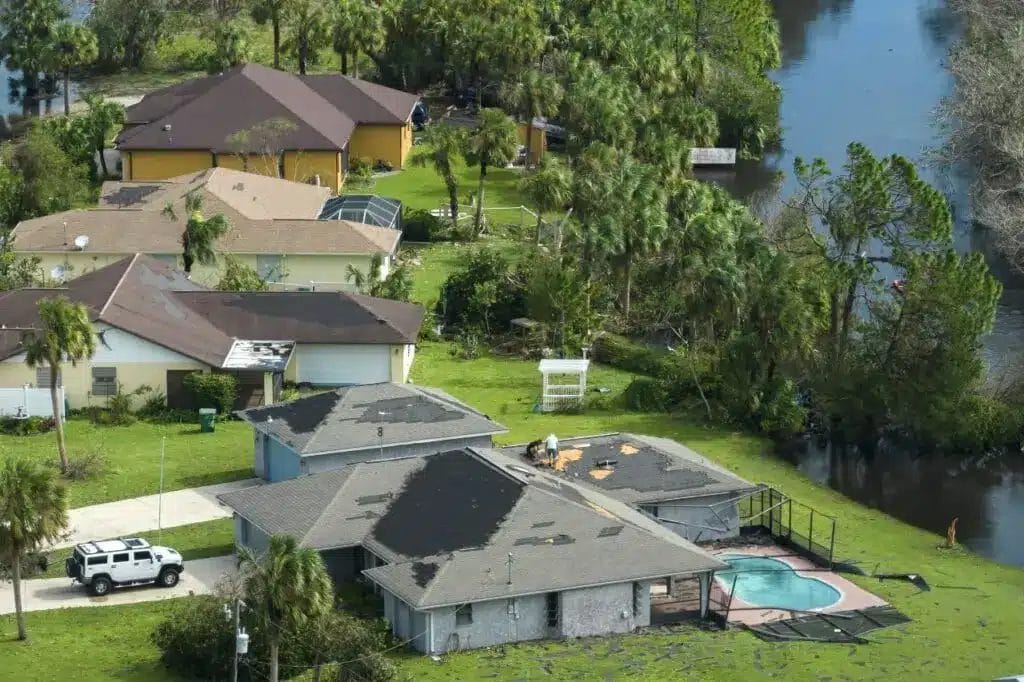
A roof insurance claim can feel like a second storm: damage to assess, paperwork to organize, and questions about what your policy will cover. A clear process can make the next steps less stressful.
If you’re filing a roof storm damage insurance claim in Georgia, avoid these common missteps. The right documentation and timely communication can help you understand your options, though your insurance policy and insurer determine coverage.
1. Waiting too long to report the damage
Hail and wind damage isn’t always obvious from the ground. A leak may appear days later, or you might notice lifted shingles, dented gutters, or debris after a storm in Marietta, Dallas, Acworth, or Kennesaw.
How to fix it: Contact your insurance company or agent promptly when you discover possible storm damage. Ask for a claim number, the adjuster’s contact information, and any deadlines or forms you need to know about. Georgia’s Office of the Commissioner of Insurance and Safety Fire recommends reporting a loss as soon as possible. Your policy’s specific notice requirements matter, so don’t assume you have unlimited time.
2. Making permanent repairs before documenting the damage
It’s natural to want a damaged roof fixed immediately. But if you replace materials or discard damaged shingles before documenting the loss, you may make it harder to show what happened.
How to fix it: If it’s safe, take clear, dated photos and videos of visible roof damage, gutters, siding, windows, ceilings, and any interior water stains before repairs begin. Don’t climb onto a roof to take pictures. Ask a qualified professional to inspect areas you can’t safely see.
Make temporary repairs to prevent further damage, such as arranging a tarp or addressing active water intrusion. Keep receipts for those emergency measures and ask your insurer what to do before beginning permanent work.

3. Forgetting to prevent additional damage
A covered storm event may leave an opening that allows rain to enter your home. Waiting for the adjuster while water continues to spread can make a difficult situation worse.
How to fix it: Take reasonable steps to limit further damage. This might mean placing a bucket under a leak, moving belongings, or arranging temporary professional protection for the roof. Photograph the problem and save receipts. Keep notes about when you noticed the damage and what you did to address it.
These steps aren’t a guarantee of coverage. They help you document your response and protect your home while you work through the claim process.
4. Misunderstanding your deductible or roof coverage
A claim doesn’t automatically mean an insurer will pay for a full replacement. Your policy may have different roof-payment terms, exclusions, depreciation, or a wind-and-hail deductible. Some policies also include a separate named-storm deductible, which may apply only when the policy’s definition and conditions are met.
In Georgia’s changing insurance climate, it’s worth checking your declarations page before you make assumptions. A percentage-based deductible is generally calculated from the insured dwelling limit, not necessarily from the repair estimate. The amount and conditions depend on your policy.
How to fix it: Ask your insurer which deductible applies and how it was calculated. Review the policy’s roof-payment terms and ask for an explanation of any depreciation or coverage limits. If something is unclear, request the insurer’s explanation in writing.
5. Accepting the first estimate without checking the scope
An estimate is a starting point for understanding the proposed repairs, not a reason to skip questions. You may want to confirm whether it accounts for all documented damage, the materials and work involved, and any related areas included in the claim.
How to fix it: Compare the adjuster’s estimate with the visible damage and a written contractor assessment. If you believe something is missing, submit a clear, itemized supplement with supporting photos, estimates, and receipts. Ask the insurer to explain any disputed items or coverage decision in writing.
A roofing professional can inspect your roof, document visible conditions, and provide a repair estimate. The insurer decides whether the damage is covered and what the policy pays. No contractor can promise an approval or a particular claim outcome.
6. Signing paperwork under pressure
After a storm, homeowners may hear urgent promises from contractors who show up at the door. Be cautious about signing documents you don’t understand, especially if they involve assigning insurance benefits, broad releases, or authorizing work before you’ve reviewed the scope and terms.
How to fix it: Take time to read contracts and ask for a copy. Confirm the contractor’s insurance, references, scope of work, payment terms, and warranty details. Don’t let anyone pressure you to file a claim or promise to “waive” your deductible. The Georgia Attorney General’s storm-fraud guidance offers additional tips for evaluating storm-related contractors.
A trustworthy contractor should answer your questions clearly and let you make informed decisions.

7. Losing track of records and deadlines
Claim details can spread across emails, phone calls, estimates, photographs, and receipts. Missing a request or forgetting what was discussed can slow down the process. Policy deadlines may also apply to notice, proof of loss, or other steps.
How to fix it: Keep one file for the claim. Save your policy, claim number, dated photos, estimates, invoices, receipts, and all messages. After a phone call, note the date, who you spoke with, and what they said they would do. Ask the insurer to confirm key instructions or decisions in writing.
There isn’t one deadline that applies to every claim. Check your policy and ask your insurer about deadlines that apply to your situation. If the claim is disputed or a deadline is approaching, consider speaking with a qualified insurance professional or Georgia attorney.
A calmer way to handle the claim
A roof claim can involve more than shingles. It may raise questions about water intrusion, gutters, interior damage, materials, and what your policy requires. Taking photos, making reasonable temporary repairs, and keeping a written record can help you approach each step with more confidence.
New Image Roofs is locally owned and serves homeowners in Marietta, Dallas, Acworth, Kennesaw, and surrounding Cobb and Paulding Counties. Our team understands the region’s wind and hail exposure and provides honest inspections without pressure tactics. With more than 600 five-star reviews and Owens Corning Preferred Contractor status, we focus on expert craftsmanship and clear communication, not promises about what an insurer will cover.
If you’re looking for roofing contractors in Marietta, GA, or need roof repair in Kennesaw, GA, you can learn more about our roof repair services or request an inspection. Call 678-444-4901 to talk with our team.
Frequently asked questions
Should I file a claim for every roof issue?
Not necessarily. First, understand what damage occurred and review your deductible and policy terms. A professional inspection can help clarify the roof’s condition, but your insurer determines coverage. Avoid filing based on a contractor’s promise of approval.
Can I repair a roof before the adjuster visits?
You can take reasonable steps to prevent additional damage, such as arranging temporary protection. Document the damage first if it’s safe, keep receipts, and contact your insurer for instructions before permanent repairs. Don’t put yourself at risk to photograph a roof.
Does hail or wind damage guarantee a full roof replacement?
No. Coverage and payment depend on the policy, the damage, and the insurer’s assessment. Ask for an explanation of the estimate and policy basis if you disagree with the proposed scope.
What should I do if the insurer’s estimate seems incomplete?
Request an itemized explanation. Compare it with documented damage and a written contractor assessment, then submit any additional photos, estimates, or receipts with a clear explanation of what you believe is missing.
This article provides general information, not legal or insurance advice. Your policy terms and individual circumstances control.