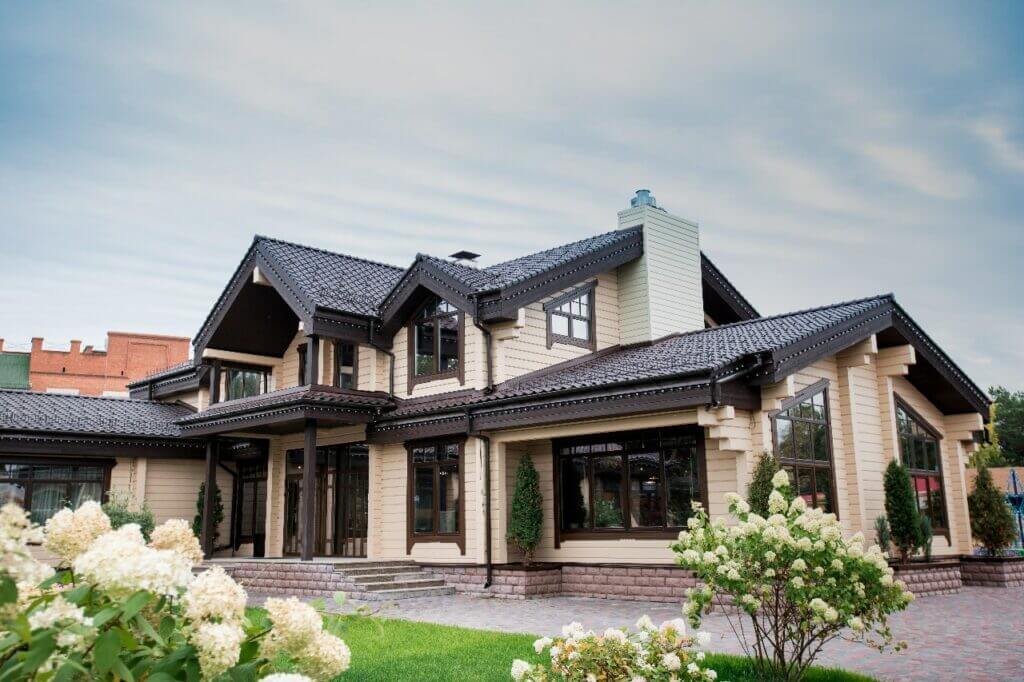
Georgia summers are hard on homes. In Marietta, Kennesaw, Acworth, and Dallas, intense sunlight can heat roof surfaces, raise attic temperatures, and make your air conditioner work longer.
That raises an important question for homeowners planning a roof replacement in 2026: Should you choose traditional asphalt shingles or a cool, reflective roofing option?
The answer depends on your budget, roof condition, energy goals, and the type of roof system that fits your property. For many Cobb County homes, reflective shingles offer a practical middle ground. They can improve summer comfort without the significant cost increase associated with metal roofing. In some situations, a professional coating such as GoNano may also be worth evaluating.
Here is how the options compare.
What Is a Cool Roof?
A cool roof absorbs and transfers less solar heat than a conventional dark roof. It typically uses reflective granules, light-colored pigments, reflective metal, or a compatible roof coating.
The two performance characteristics that matter most are:
- Solar reflectance: How much sunlight the roof reflects.
- Thermal emittance: How effectively the roof releases the heat it absorbs.
According to the U.S. Environmental Protection Agency, cool roofs can reduce roof and building temperatures, lower air-conditioning demand, and improve indoor comfort. In air-conditioned residential buildings, the EPA cites potential peak cooling-demand reductions of approximately 11% to 27%, although actual results vary by roof design, insulation, ventilation, HVAC efficiency, and weather.
A cool roof does not need to be bright white. Many modern shingles use reflective pigments in gray, brown, and other attractive colors.
Traditional Asphalt Shingles: The Familiar, Affordable Choice
Traditional asphalt shingles remain one of the most popular roofing materials in Georgia. They are widely available, easy to repair, and generally offer the lowest upfront cost among common residential roofing options.
Their advantages include:
- Lower initial material cost
- Broad color and style availability
- Straightforward repairs and replacement
- Proven performance when properly installed
- Compatibility with many existing residential roof systems
The main drawback is heat absorption. Dark shingles can become extremely hot in direct summer sunlight. That heat transfers into the roof deck and attic, which may increase the load on your air conditioner.
Traditional shingles are not automatically a poor choice. A properly installed, well-ventilated asphalt roof can protect a Cobb County home for many years. However, homeowners should consider whether a darker roof is the best long-term fit for a home that receives strong afternoon sun.
Cool or Reflective Shingles: A Practical Georgia Upgrade
Cool-color asphalt shingles look similar to standard architectural shingles but use reflective granules or specially formulated pigments to reduce solar heat gain.

For many homeowners, cool shingles provide the best balance of appearance, cost, and performance. They can help:
- Reduce roof-surface temperatures
- Limit heat transfer into the attic
- Reduce peak air-conditioning demand
- Improve comfort on upper floors and in bonus rooms
- Reduce heat-related stress on roofing materials
- Preserve the familiar appearance of an asphalt shingle roof
The savings will not be identical for every property. A home with excellent insulation, shade trees, and efficient HVAC equipment may see a smaller change than a home with a hot, poorly insulated attic. Still, reflective shingles can be a sensible improvement when you are already replacing the roof.
The EPA’s cool-roof guidance identifies light- and cool-colored asphalt shingles as an option for steep-slope residential roofs.
Cool Roofs vs. Traditional Shingles: The Key Differences
| Category | Traditional dark asphalt shingles | Cool or reflective shingles |
|---|---|---|
| Summer heat | Absorb more sunlight and roof heat | Reflect more sunlight and stay cooler |
| Energy performance | May increase attic heat and AC demand | Can reduce peak cooling demand |
| Upfront cost | Usually the lower-cost option | Typically carries a modest premium |
| Appearance | Wide range of colors and styles | Wide range, including gray and earth tones |
| Durability | Strong performance with proper installation | May reduce heat-related thermal stress |
| Maintenance | Routine roof maintenance | Similar shingle maintenance |
| Best fit | Budget-focused replacements | Homeowners prioritizing comfort and efficiency |
The biggest difference is usually not durability alone. It is how the roof manages heat. A reflective shingle system may help your home feel more comfortable during Georgia’s hottest months while also supporting longer-term roof performance.
What About Metal Roofing?
Light-colored metal roofing can provide excellent solar reflectance and a long service life. It is also highly resistant to many common forms of weather damage.
However, metal roofing usually costs substantially more than asphalt shingles. Installation may also require specialized experience, and some homeowners prefer the traditional appearance and easier repairability of shingles.
Metal can make sense when:
- You plan to remain in the home for many years
- Long service life is a top priority
- Your budget supports a larger investment
- The roof design and neighborhood aesthetics are a good match
- You want a highly reflective roofing system
For many Marietta, Kennesaw, Acworth, and Dallas homeowners, reflective architectural shingles offer many of the desired summer benefits without the full price of a metal roof.
Cost Differences in 2026
Traditional asphalt shingles generally have the lowest installed cost. Cool-color shingles usually cost somewhat more because of their reflective granules and specialized pigments, but the difference is often modest compared with the total cost of a complete roof replacement.
Metal roofing represents a larger investment. Its higher cost may be justified by longevity and performance, but it is not automatically the best value for every home.
Your final price depends on:
- Roof size and pitch
- Number of layers being removed
- Decking repairs
- Flashing and ventilation requirements
- Chimneys, skylights, and roof penetrations
- Material brand and warranty
- Labor access and project complexity
Be cautious with online cost ranges. A roof inspection is more useful than a generic estimate because two homes with the same square footage can have very different roofing requirements.
At New Image Roofs, inspections are honest and pressure-free. We do not recommend replacement when a targeted repair or maintenance solution makes more sense.
Could GoNano Coatings Be a Smart Alternative?
A roof coating may be worth considering when the existing roof is structurally sound but needs added protection or improved surface performance.
New Image Roofs provides GoNano coating services, which may help protect compatible roof surfaces from environmental exposure and extend useful roof life. Depending on the roof material and condition, a coating can offer an alternative to immediate replacement.
However, coating is not the right answer for every roof.
Before applying GoNano or any coating, a professional should evaluate:
- Existing leaks and moisture damage
- Shingle condition and granule loss
- Roof slope and drainage
- Compatibility with the existing roofing material
- Manufacturer warranty requirements
- Whether the product’s performance ratings apply to your roof type
Reflective coatings are commonly used on compatible metal and low-slope roofing systems. Applying an unapproved coating over asphalt shingles could create warranty or performance concerns. The right approach is to inspect first, then select the solution that protects the entire roof system.

What Are Georgia’s New Cool-Roof Ordinances?
Atlanta has adopted a significant cool-roof ordinance requiring light-colored, reflective roofing materials for certain new construction and roof-replacement projects. The policy was approved by the Atlanta City Council in 2025 and was scheduled to take effect in 2026.
This matters regionally because it reflects a broader focus on reducing urban heat and peak cooling demand. Georgia Tech researchers have reported that widespread cool-roof adoption could reduce summer afternoon temperatures across parts of Atlanta by more than 2 degrees Fahrenheit.
However, Atlanta city requirements should not be confused with a blanket Cobb County mandate. Based on currently available information, typical single-family homes in Marietta, Kennesaw, Acworth, and Dallas are not automatically subject to the same city ordinance.
Building requirements can change. Before starting a project, confirm current requirements with the appropriate permitting department and ask your roofing contractor to review the applicable code for your property.
Which Roof Is Better for Your Cobb County Home?
For most homeowners, the decision comes down to priorities:
- Choose traditional asphalt shingles when the lowest initial cost is the main concern and your home has good attic insulation and ventilation.
- Choose cool-color architectural shingles when you want better summer heat management without a major price increase.
- Consider light-colored metal roofing when long service life and high reflectivity justify the larger investment.
- Ask about GoNano Coatings when your existing roof may be suitable for protective treatment rather than replacement.
- Combine any roof choice with proper attic insulation, ventilation, flashing, and drainage.
In many Cobb County homes, a reflective asphalt shingle system is the strongest overall value. It offers familiar curb appeal, reliable protection, and a practical response to Georgia’s intense summer heat.
Why Homeowners Choose New Image Roofs
Roofing decisions are easier when you have clear information and a contractor you can trust. New Image Roofs has earned more than 600 five-star reviews and is an Owens Corning Preferred Contractor. Our team works with leading manufacturers, including Owens Corning, CertainTeed, GAF, and IKO.
We serve homeowners and businesses throughout Marietta, Kennesaw, Acworth, Dallas, and Cobb and Paulding Counties. Every project receives careful attention to materials, ventilation, flashing, installation quality, and long-term protection.
Whether your roof needs a repair, coating evaluation, or full replacement, our goal is simple: recommend the solution your property actually needs: without unnecessary upselling.
Frequently Asked Questions
Are cool shingles worth it in Georgia?
They can be. Cool shingles may lower roof temperatures and reduce peak air-conditioning demand during hot weather. The benefit depends on your roof color, attic insulation, ventilation, HVAC system, shade, and home design.
Are cool shingles more durable than traditional shingles?
Cool shingles are not automatically indestructible, but reducing heat absorption may limit some heat-related thermal stress. Installation quality, ventilation, storm exposure, and maintenance remain just as important.
Are cool roofs required in Cobb County?
There is no blanket requirement identified here for typical single-family homes throughout Cobb County. Atlanta has adopted cool-roof requirements for certain projects. Always verify current local permitting requirements before beginning work.
Can GoNano Coatings be applied over asphalt shingles?
It depends on the specific product, shingle type, roof condition, and manufacturer requirements. A professional inspection should confirm compatibility before any coating is applied.
Will a cool roof eliminate high summer energy bills?
No. A cool roof can reduce heat gain, but it cannot correct poor insulation, air leaks, inefficient HVAC equipment, or duct problems. The best results come from treating the roof and attic as part of one system.
How do I know whether I need a repair or replacement?
A professional inspection can identify the cause of the problem. Age, widespread granule loss, recurring leaks, damaged decking, and storm damage may support replacement. Isolated damage on an otherwise sound roof may be repairable.
Get a Clear Roofing Recommendation
You do not have to guess between traditional shingles, cool roofing, metal, or a coating. Schedule a free roof inspection with New Image Roofs. We will evaluate your roof, explain your options, and help you choose a durable solution for your home, budget, and Georgia climate.